Hydraulic Technology / Industry Insights
Smart Hydraulics: Why Reliable Components Still Matter
Hydraulic systems are becoming easier to monitor and control. Pressure sensors, temperature monitoring and oil-condition analysis can help maintenance teams identify developing problems before they cause an unexpected shutdown. Electronic controls are also giving equipment manufacturers more flexibility in managing pressure, flow and machine movement.
These developments are changing the way industrial equipment is maintained. Yet they do not change one basic requirement: every hydraulic system still depends on mechanical components working reliably under demanding conditions.
For maintenance engineers and purchasing teams, the challenge is not simply keeping up with new technology. It is making sure that pumps, valves, motors and other critical parts remain dependable, compatible and available when needed.
Predictive Maintenance Still Depends on Component Reliability
One of the main benefits of smart hydraulics is the ability to monitor equipment condition during operation.
By tracking pressure fluctuations, oil temperature, vibration and contamination levels, maintenance teams can identify abnormal operating conditions and investigate potential faults earlier.
However, monitoring data does not eliminate mechanical wear or prevent every failure.
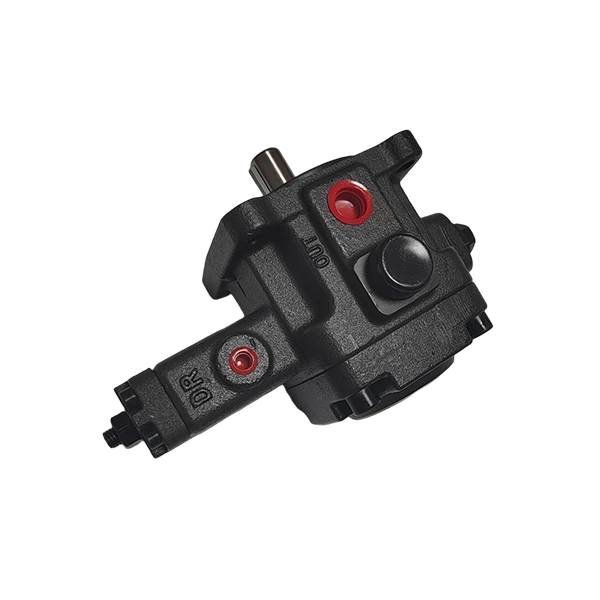
A hydraulic pump operating with contaminated oil can still suffer premature damage. A directional valve with a worn spool or damaged seals may respond inconsistently, regardless of how sophisticated the monitoring system is.
This is why predictive maintenance and conventional maintenance practices need to work together.
When a pressure sensor indicates unusual system behavior, the next step is to identify the actual cause. Replacing a pump without checking the filtration system, for example, may leave the original problem unresolved.
Reliable components, suitable hydraulic fluid and proper maintenance remain essential, even in highly automated equipment.
Explore hydraulic pumps.
Electro-Hydraulic Control Makes Component Matching More Important
As industrial machines incorporate more electronic controls, the relationship between hydraulic components and control systems is becoming increasingly important.
Conventional solenoid-operated directional valves continue to serve essential switching functions. Proportional valves, meanwhile, allow variable control of hydraulic functions such as flow or pressure, depending on the valve design.
Both technologies have their place, but they are not directly interchangeable.
A replacement valve must match more than the physical mounting dimensions. The spool configuration, operating voltage, pressure and flow ratings, electrical connection and sealing materials can all affect system performance.
For electronically controlled valves, compatibility with the driver, command signal and control system must also be considered.
Even a small difference in a manufacturer's model code can indicate a different spool function, electrical specification or seal configuration.
This is particularly important when maintaining older hydraulic equipment. If the original component is discontinued or difficult to source, a proposed alternative should be evaluated against the complete system requirements rather than selected by appearance or nominal size alone.
For procurement teams, accurate part identification can prevent costly ordering mistakes and unnecessary machine downtime.
Related product: Rexroth 4WE6 directional control valves.
Smart Pneumatics Faces Similar Challenges
Hydraulic systems are not the only part of industrial automation becoming more connected.
Pneumatic equipment increasingly uses pressure sensors, flow monitoring and electronically controlled valve systems to provide better visibility into operating conditions.
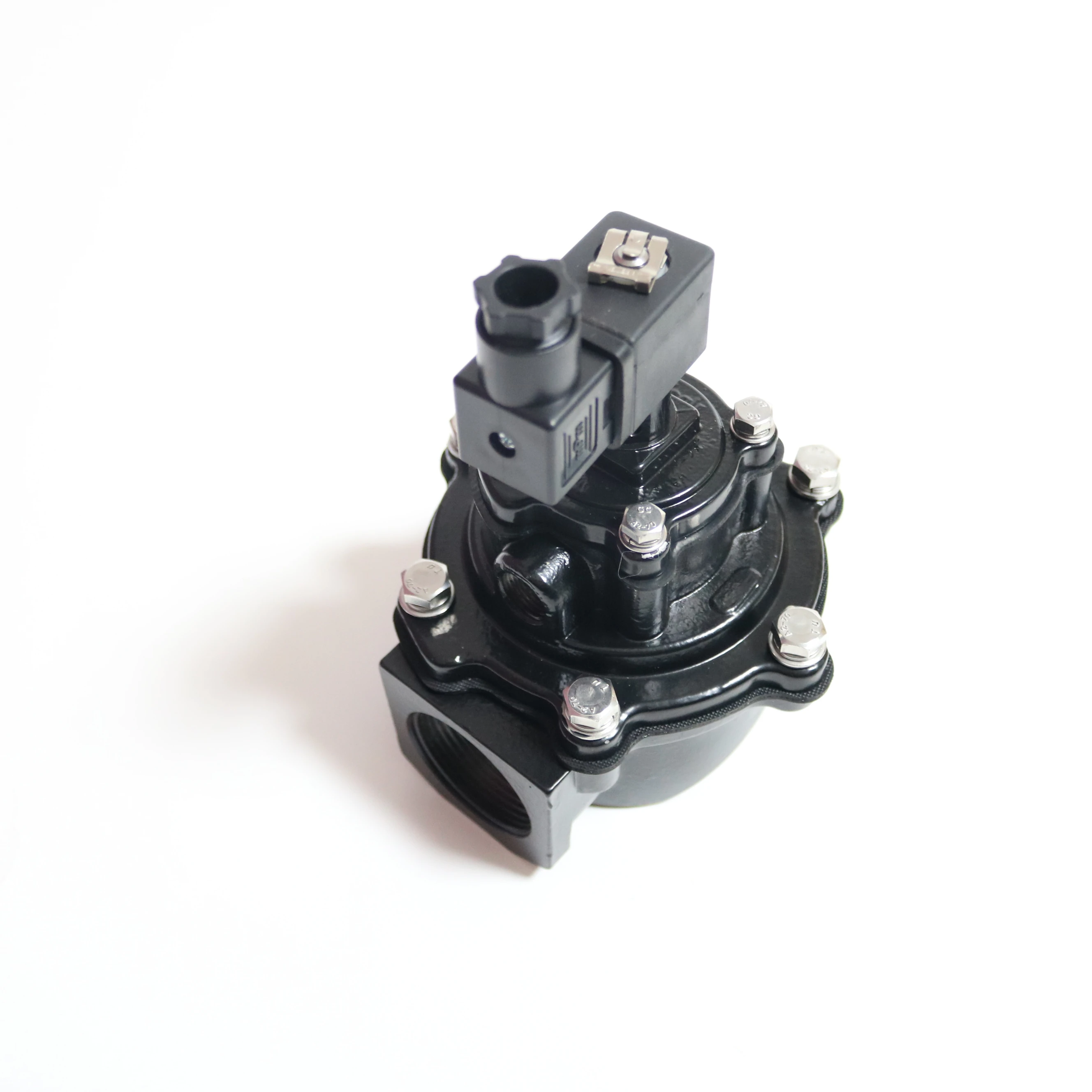
These technologies can help maintenance teams investigate air leakage, pressure instability and inefficient compressed-air consumption.
Nevertheless, the condition of the compressed-air supply remains important.
Filters, pressure regulators and lubricators, where required, help prepare compressed air for downstream components. Sensors and monitoring devices can provide additional information, but they cannot compensate for poor air quality or incorrectly specified equipment.
Excess moisture, contamination and unstable pressure can affect pneumatic valves, actuators and seals, leading to inconsistent operation and increased maintenance requirements.
For both hydraulic and pneumatic systems, reliable operation depends on the combination of suitable components, proper installation and consistent maintenance.
What Maintenance Teams Should Check Before Replacing Components
As equipment becomes more sophisticated, selecting replacement parts requires greater attention to detail.
For hydraulic pumps and motors, important considerations include displacement, operating pressure, speed range, rotation direction, mounting configuration and shaft dimensions.
For directional control valves, the full model number should be checked against the hydraulic circuit and the manufacturer's technical documentation. Spool symbols, solenoid voltage, electrical connectors and sealing materials are particularly important.
Oil cleanliness and filtration should also be assessed before installing replacement hydraulic components. Contamination that damaged the original part may shorten the service life of the new one.
In pneumatic systems, technicians should examine operating pressure, filtration requirements, connection sizes and the condition of downstream equipment.
These checks may seem routine, but they become even more valuable when machines use sophisticated control systems. A replacement component that is mechanically similar but functionally different can create problems that are difficult to diagnose.
The Future of Hydraulics Still Relies on the Right Parts
Smart monitoring and electronic controls can improve maintenance planning and provide useful information about equipment condition. They also help maintenance teams make more informed decisions about when components need attention.
But the final result still depends on the physical equipment.
A sensor can identify an abnormal pressure trend. It cannot restore a damaged pump or correct an improperly matched valve.
For manufacturers and maintenance teams operating both modern and legacy equipment, dependable spare parts remain an important part of long-term machine reliability.
At DENG FENG, we supply hydraulic and pneumatic components, including hydraulic pumps, motors, directional control valves and other industrial spare parts. We help customers identify components based on manufacturer model numbers and application requirements.
Whether you are maintaining an existing hydraulic system or sourcing parts for automated machinery, accurate component identification is the starting point.
Looking for a hydraulic or pneumatic replacement part?
Explore our product range or contact DENG FENG with the manufacturer part number and technical requirements to discuss available options.